
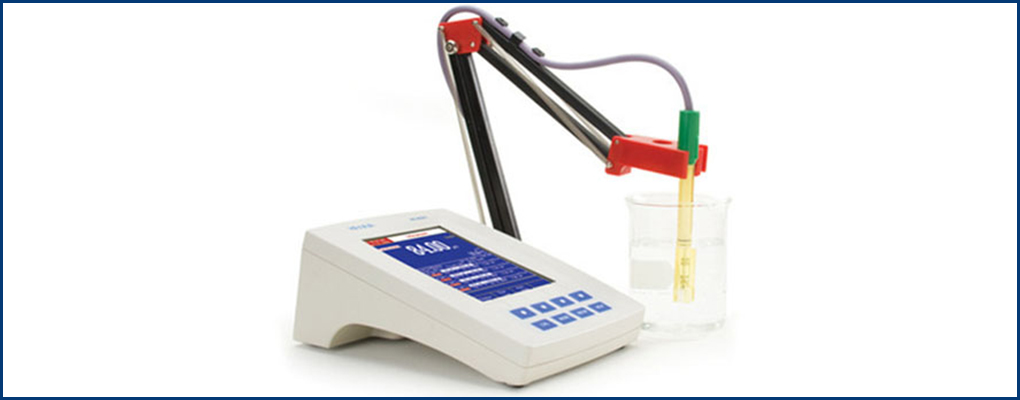
Conductivity Meter
A conductivity meter measures the amount of electrical current or conductance in a solution. Conductivity is useful in determining the overall health of a natural water body. It is also a way to measure changes in wastewater procedures at water treatment plants. Conductivity meters are common in any water treatment or monitoring situation, as well as in environmental laboratories.
Conductivity is how we measure the ionic content (such as chloride, nitrate, sulfate, sodium, magnesium, calcium, or iron) in a body of water by measuring the water’s ability to conduct electricity.
How a Conductivity Meter Works
The meter is equipped with a probe, usually handheld, for field or on-site measurements. After the probe is placed in the liquid to be measured, the meter applies voltage between two electrodes inside the probe. Electrical resistance from the solution causes a drop in voltage, which is read by the meter. The meter converts this reading to milli- or micromhos or milli- or microSiemens per centimeter. This value indicates the total dissolved solids. Total dissolved solids is the amount of solids that can pass through a glass-fiber filter.